
Scripture Reading: Matthew 13: 18–29
The song “Carry Your Candle” is one of my favourites. Although it has a simple tune, the vivid imagery is heart warming. It is about staying alive in spirit, while also helping fellow believers revive their spirit.
Carry your candle, run to the darkness
Seek out the hopeless, confused and torn
Hold out your candle, for all to see it
Take out your candle, and go light your world.
Charlie Kirk was an US based Christian evangelist. He was a strong advocate for the revival of Christianity among the youth, drawing both supporters and critics from across the globe. Last
Wednesday, early morning Charlie was shot attending a campus event. An hour later, he was pronounced dead. A husband, and a father of two children — he slept in the Lord.
Who killed him? Well, a better question would be — “what killed him?” Hatred and intolerance.
As Christians, we often fail to remember that not everyone is taught to love their enemies. It is the virtue of the radical love of our LORD Jesus Christ, as he cried out from the cross — “Father, forgive them for they know not what they do”.
As we see an increase in human suffering, we cannot help but notice the decline in spirituality around the world. People have let their flesh become a spiritual blindfold. God’s beautiful garden is turning into a wasteland.
A call is upon us to bring our brothers and sisters back to Jesus Christ. Like Noah amidst the lawless, or Lot amongst the Sodomites — we can also remain obedient to God by staying rooted in our faith.
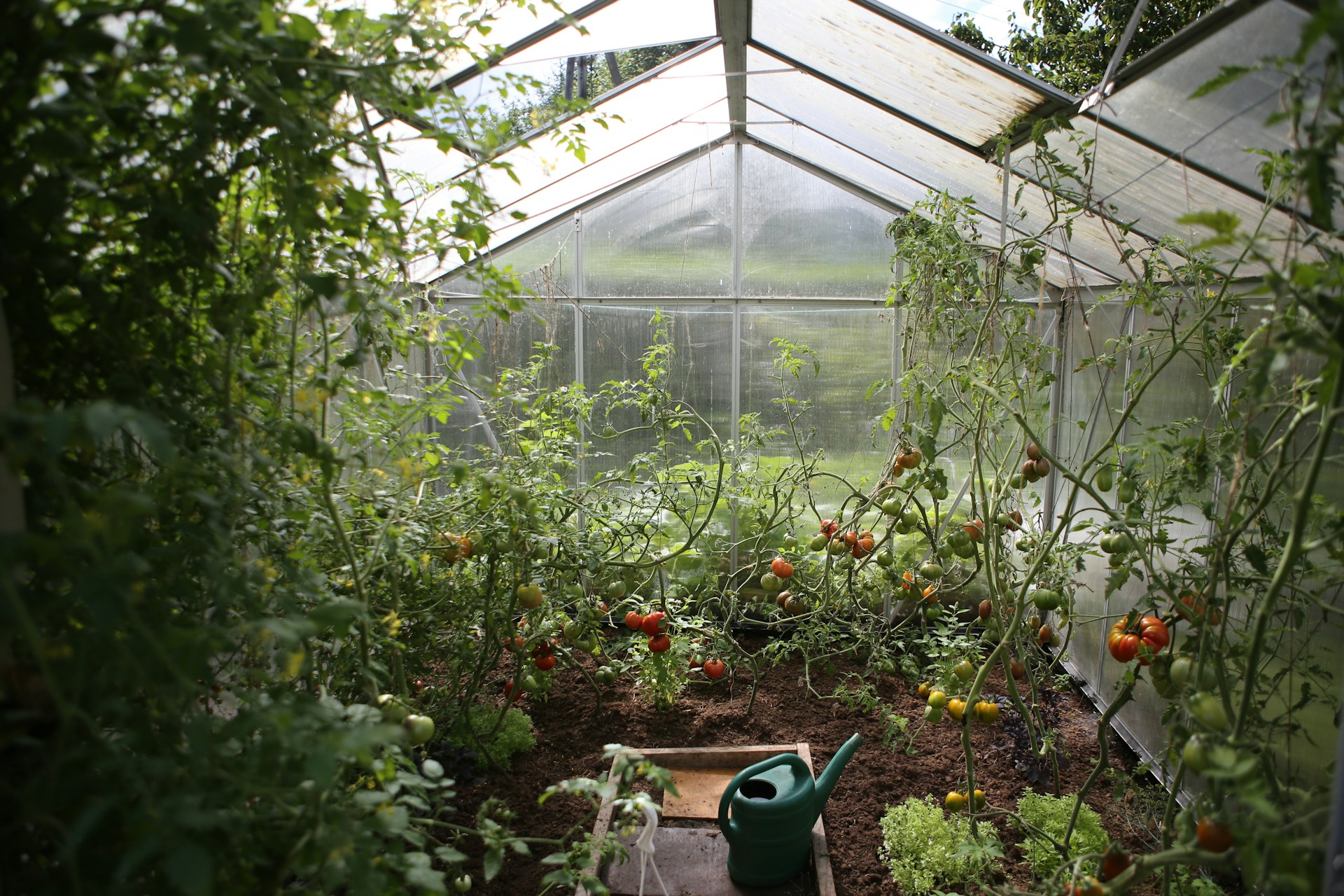
The scripture read today, emphasises on two things: sowing of seeds (applied Christian guidance), and the treatment of weeds. The fertility of the land is a metaphor reflecting our spirituality and our state of mind. While the weed, refers to the hatred and sins of the world to which we are exposed.
In today’s meditation, we will reflect on this well-known parable to rediscover our role as the workers of God in His garden — tending to His people in need. Let us see what steps we can take everyday to revive the fruitfulness of our community. The first point is, we must get good seeds…
Get good seeds
Almost all of us have plants at home. We plant trees for fruits, flowers, vegetables, and at times- just for decoration. Whatever our purpose may be, we always make sure to find good quality seeds before we plant them.
The seed itself is very important, determines the plant, and consequently its fruit.
As explained by Jesus, the seed is the message about the kingdom of God. In the present day context, we can define this to be the things that we say and the lives that we live.
For example, when we provide guidance to someone like a junior, or a child — we make sure that what we say is to the best of our knowledge. Similarly, we often strive to live an exemplary life so that the younger generation may emulate us.
Subjective truth is dangerous to us, because we start to build our own truths whenever we dislike the real, objective truth. Seeds of discrimination such as racism, religious intolerance, and violence of pseudo-religious movements can be traced to the seeds of the subjective truths of their ideologies.

For example, the subjective truth of the Nazis that they were the supreme race — resulted in the mass genocide during the Second World War. This highlights that even if the masses agree to an idea, it doesn’t necessarily mean that it is true.
So if our own seeds are at risk of having been corrupted, where will we find good seeds? Where can we find the perfect guidance that we should emulate and teach?
The Holy Bible
We can find the seeds of divine guidance and an exemplary Christian life in the Holy Bible itself. The teachings of Christ on judgement and our beatitudes, provides us an unique perspective towards life. When we reflect upon the unconventional teachings of Christianity, we cannot help but feel amazed by its wonders.
For example, “love your enemies” may seem like an extreme, and perhaps impractical advice. But when we truly reflect, we realise that the outcome of evil is often more of evil.
Our aim is to fight against the sin, not the sinners. If the hatred of the world succeeds in filling our own hearts with hatred, then we too, throw ourselves into the clutches of the devil.
“Do not be overcome by evil, but overcome evil with good.”
Apostle Paul in Romans 12:21
After understanding the teachings of Christ, we must strive to apply them daily in our lives. This keeps the seeds alive. We can share these Biblical teachings with those in need, knowing that it is the seed that bears fruit pleasing to God.
Now that we have the seed, let us prepare the soil…
Prepare the soil before you sow
When we teach or guide others, we often come across the same types of soil as mentioned in the parable.
People who don’t understand, they are the seeds sown along the path.
People who aren’t rooted, they are the seeds sown on the rock.
People who worship the flesh, they are the seeds sown among the thorns.
People who apply Christianity to their lives, they are the seeds sown on good soil.
It may feel like a good idea to plant the seeds into only the good soil. But, what if we identify our loved ones to be among the other kinds of soil? Let us see how to help them.
People who don’t understand
We can avoid this failure by teaching through demonstrations and stories with moral values. This not only helps people understand the deeper practical implications of Biblical teachings, but it also helps them retain the lesson as long as they remember the story.
My mother jokingly remarks that I have good seeds, I just don’t know where to sow them. This is because at times I find myself delivering passionate theological messages even in front of kids.
People who aren’t rooted
We must understand that these people haven’t rejected the word of God. Rather, they fail to find relevance to such a topic in their life. However, we seldom pass a day without facing challenges that force us to sin, and become a bearer of evil.
For example, in India it is very common to be vocally rude while driving vehicles. Seemingly, it is a societal norm. But, in reality it is a gross lack of consideration. We hurt people because their mistake lost us five seconds of acceleration. Why? Because it is the norm.
In such people, we can sow thoughts of reflecting on the consequences of our actions. They understand, they just don’t reflect. It also may be a good idea to understand, and help them with the problems that might be keeping them away from reflecting on themselves. Even mountains can be broken with prayer and perseverance.
People who worship the flesh

They often twist the scriptures to validate their desires and narratives. Remember, how even the Nazis propagated subjective truths? It is a bad seed.
They are in the deepest clutch of the devil. They chase whatever they desire, leaving no stone unturned until they get it. They love the world and all it has to offer. They don’t need God to set rules and impose restrictions on them. People look at them with jealousy, judgement, and even admiration. But it comes at a cost.
“Not everyone who says to me, ‘Lord, Lord,’ will enter the kingdom of heaven, but the one who does the will of my Father who is in heaven.”
Matthew 7:21
Unless we follow God’s path, we cannot claim what He has in store for us where He wants us to be. When we choose the life we want over the life God intends us to live — we start acting as our own god. This leads us to hopelessness and frustration, as we ultimately start facing the consequences of living a sinful life.
We can help these people by simply talking to them. At times, a confrontation or a passed judgement doesn’t help. But understanding WHY that person chooses to believe what they do provides us the insight to help them break from their chains of desire.
People who apply Christianity in their lives
While conversing with Pastor about the topic of my sermon, he mentioned a conversation with one of his Bishop’s College professors who joked that a good sower would reach the field first instead of throwing his seed everywhere. But then, he pointed out how this parable also signified the grace extended to even the undeserving.
Dealing with the weeds
The Parable of the Weeds adds another side to the understanding of our spiritual journey. The enemy coming to plant the weeds, signifies the evils of the world and its false teachers.
We co-exist with evil in this world. There are people who thrive on the suffering of others. Witnessing atrocities against the innocent makes us angry. But we must act with wisdom.
When the servant asks the owner whether he should uproot the weeds, the owner declines — explaining that he did not want good plants to accidentally get uprooted.
If we get angry for even the right reasons- we should act with kindness and humility- otherwise we may cause people to move farther away from God’s presence.
Next time we are wronged, let us forgive. Let us be a little more patient with people, and pray for our enemies to have a change of heart. We aren’t supposed to control our desire to sin, but be reborn in our hearts so that we don’t desire to sin.
Each time we forgive, we move one step closer towards ending the cycle of hatred and suffering. We become the good sowers, not just by our words — but by our living faith.
In Conclusion…
Our minds are like the land mentioned in the parable. Let us gather good seeds by meditating on the wisdom of the Holy Bible, prepare the soil by remaining empathetic to the different situations of people, and deal with the weeds by rejecting evil without hurting the person trapped by it.
We are going through a time that normalises submission to this world. As the world becomes darker, let the values of Christianity illuminate brighter through our living faith in a living God.

Leave a Reply